
Mold Remediation
Mold remediation is the process of containing, removing and cleaning mold growth, then fixing the moisture problem that caused it.
See mold remediationGet a plan for visible growth in Bellflower, including containment, removal, HEPA cleaning, drying and moisture correction.
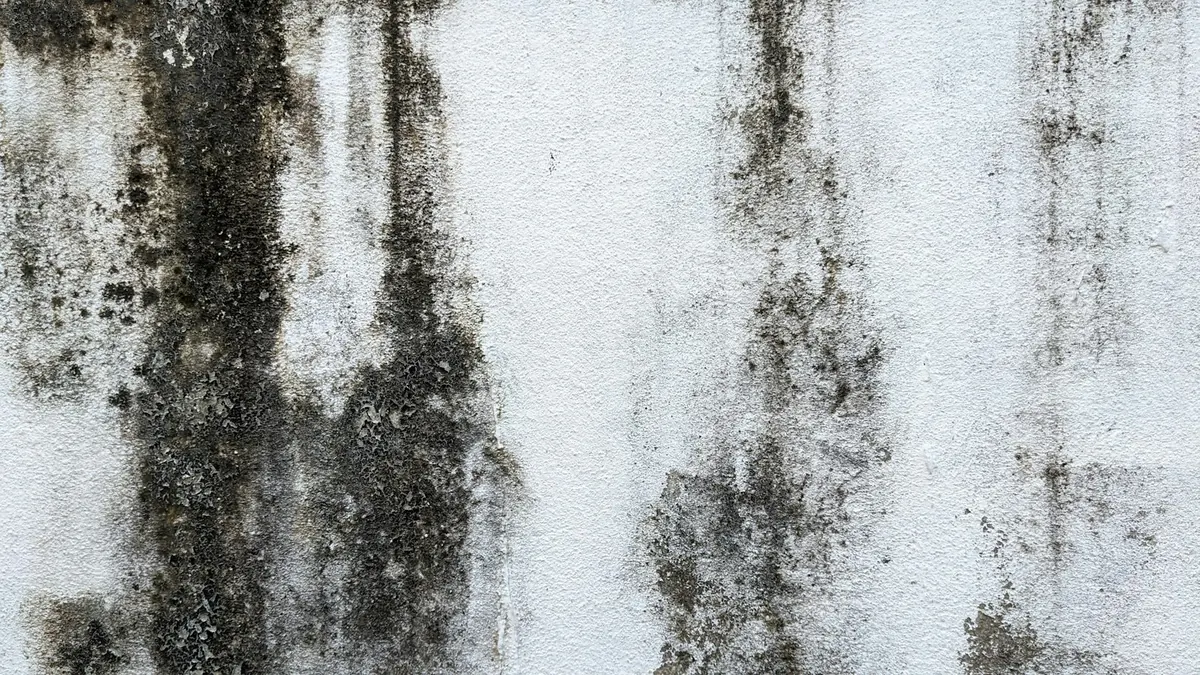
Mold cleaning clears away growth, loose particles and material that cannot be saved. The space is then dried for repair work.
The limits for containment and removal come from inspecting the area and checking moisture. Hidden moisture remains unresolved with surface cleaning alone.
A HEPA vacuum and damp wiping remove surface residue. Porous material may be taken out.
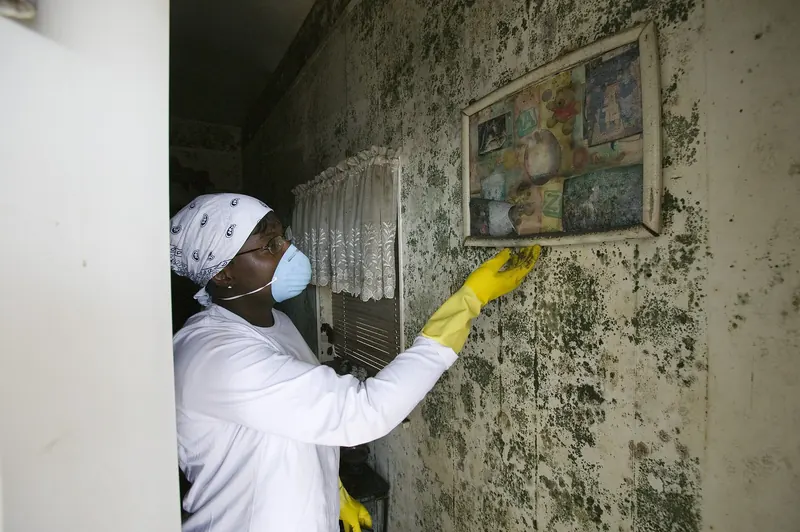
Ask how poly sheeting separates people, pets and belongings from the work zone.
Learn how removal, drying and repairs are guided by moisture readings.
The written scope needs to list affected materials, limits for removal and duties for cleaning, repairs and drying.
Have an independent assessor perform clearance testing rather than the removal company.
Experienced assistance is appropriate when growth is widespread or concealed, HVAC equipment is affected, or water is contaminated.
A moisture meter helps locate damp material behind a recurring stain, baseboard or cabinet.
An attic, basement, crawl space or another lower level may be affected by leaks or condensation. Correct the source too.
When growth appears in different rooms, high relative humidity or one shared moisture source may be involved.
Dry water-damaged items and spaces within 24 to 48 hours to prevent mold growth, according to EPA guidance.
Stop water when safe to do so. Do not disturb mold growth.
Call (844) 352-3560No public guide covers this service separately. Related mold remediation guides list $1,500 to $9,000 as a typical national range and $10 to $30 per square foot for professional work over about 10 square feet. Published guidance figures do not constitute a quote.
Published national cost guides are the source of these ranges, rather than an inspection of your property. An on-site assessment determines the price for your property, and you should receive an explanation before the work begins.
Ask about cost: (844) 352-3560Insurance coverage varies with the policy and where the water came from. Confirm records and mold sublimits.
Under California's housing law, visible mold found by a health officer or code enforcement officer can make a rental substandard. Renters can contact their local health or code enforcement department to ask for an inspection. Keep your repair requests and messages that document leaks or access.
California's Toxic Mold Protection Act includes a landlord written-disclosure section (Health and Safety Code 26147). By its own wording it applies only after the state adopts mold exposure standards, and the state health department has said it could not set them. Save your removal records, verification report and documented work scope.
File the report. Long-term leakage and recurring humidity can differ from a burst pipe.
Retain photographs, repair evidence, moisture readings and all invoices.
From inspection, the mold removal process continues through final cleaning. Access, size and materials shape the protocol.
Visible growth is examined, and moisture readings inform the drying plan.
Openings are sealed with poly sheeting. An air filtration device pulls air inward.
Covered paths, tools and waste bags are set before materials are disturbed.
During removal, airborne particles go through a HEPA air scrubber.
Embedded growth can require removal and bagging of drywall, carpet, insulation or ceiling tile.
Sound material gets HEPA vacuuming and damp wiping. Cleaning remains necessary after antimicrobial treatment.
Moisture control is aided by drying equipment, air movers or a dehumidifier. Final cleaning removes residue.

Phone at any hour. A mold cleanup specialist answers, talks through what you are seeing and explains the next steps.
Risk rises with extensive growth, porous materials, HVAC equipment or contaminated water.
HEPA filtration during drywall removal works with negative air pressure and a containment barrier to limit particles.
Use thermal imaging to flag possible moisture in framing, not to confirm mold.
When contaminated water includes sewage, EPA guidance recommends help from experienced workers. The job needs protective equipment plus work-zone controls.
Can you clean it yourself? An area under about 10 square feet is often suitable for homeowner cleaning, EPA says. When HVAC systems are affected, areas are larger or contaminated water is present, get help.
How long cleaning takes is shaped by area size, access, removal needs, drying and moisture repair work. The sequence should be clear once inspection is complete.
Hidden growth or wet material can be signaled by a musty smell. Odor treatment alone cannot take the place of source repair, removal and cleaning with HEPA equipment.
Under EPA guidance, indoor relative humidity should remain below 60 percent and ideally between 30 to 50 percent. Using a dehumidifier will not fix the leaking source.

California has no state license or certification for mold assessors or remediators, according to the California Department of Public Health. General construction work above a small dollar amount does need a license from the Contractors State License Board (CSLB), so it is worth checking a contractor's license there and asking about their mold training. Ask which local permits apply to demolition or rebuilding.
To prevent growth, dry water-damaged items and areas within 24 to 48 hours.
The federal government sets no limit for indoor mold levels. Only test with a defined objective.
The California Department of Public Health (CDPH) Air Quality Section publishes mold and dampness guidance and a mold FAQ. CDPH says visible mold, dampness, and mold odor are unhealthy and should be fixed, and that routine mold testing is not needed when mold is visible. Ask what rules cover the building and the work you plan.
The full mold cleanup guide covers what is cleaned or removed, odor and air quality work, and the rules that apply in California and Los Angeles County.
Read the full mold cleanup guide
Planning for moisture control, containment and mold cleanup can be influenced by local humidity, housing and property access.
In Bellflower, the 61 percent renter share means a dated written report can identify a leak or visible mold and help the owner plan access for inspection and removal.
The median home in Bellflower was built in 1966, so plumbing joints, roof penetrations, insulation, and lower level moisture should be checked when mold appears.
The housing mix is 56 percent single-family, making building type important when deciding whether to inspect separate exterior systems or connected ceilings and walls.
At 22 percent living alone among seniors, a musty smell or new wall stain should prompt a search for the water source before surface cleaning.
You can ask about mold cleanup in nearby communities and ZIP codes during the call.
Mold remediation is the process of containing, removing and cleaning mold growth, then fixing the moisture problem that caused it.
See mold remediation
Another term for mold removal is mold abatement, which involves isolating the space before taking out contaminated materials.
See mold abatement
Mold damage restoration clears the growth before damaged insulation, flooring, drywall and other building materials are repaired or replaced.
See mold damage restoration
A mold inspection is combined with removal so workers can locate the growth before cleaning it away.
See mold inspection and removal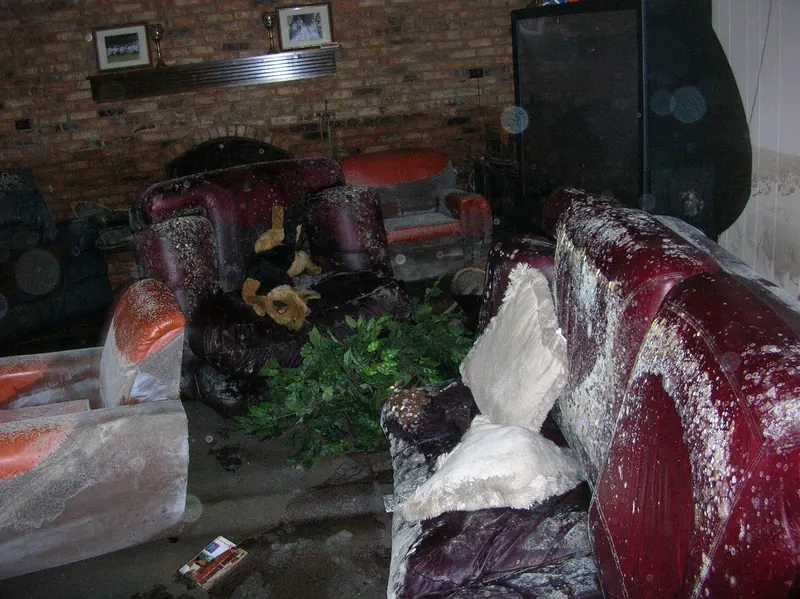
Water damage mold cleanup includes clearing growth caused by a flood or leak and drying the affected structure against a return.
See water damage mold cleanup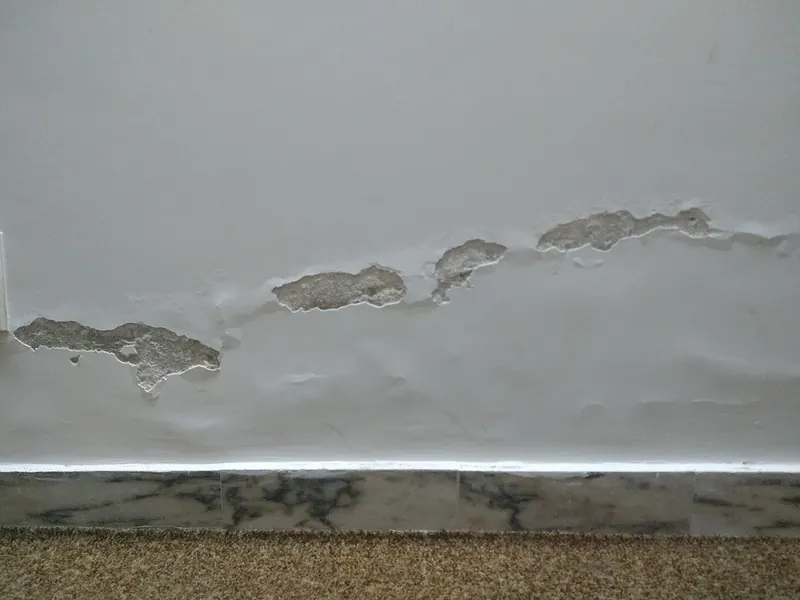
Growth concealed above ceilings, below floors or inside walls is found and removed during hidden mold remediation.
See hidden mold remediation (behind walls)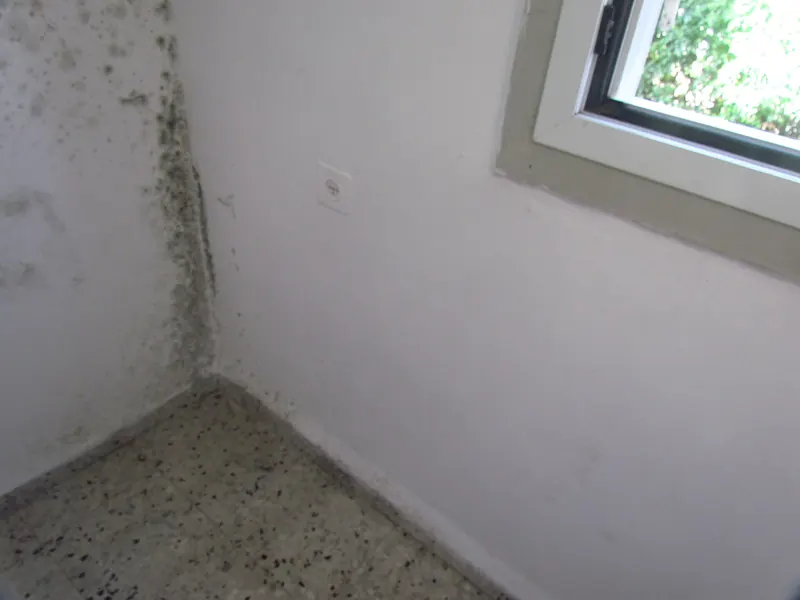
Mold odor removal means tracing a musty smell to its source and treating the affected spot against a return.
See mold odor removal
This page explains what affects mold removal cost, such as the size of the area, the materials involved and any repairs needed.
See mold removal costThe time varies with square feet, access, material removal, containment and drying. Wet insulation inside a wall is different from an exposed hard surface. Ask for the mold remediation steps, moisture repair plan and access limits after inspection instead of relying on a fixed promise.
Make the remaining correction to plumbing, roofing, airflow or humidity. Do not close walls until affected materials are confirmed dry. Save moisture readings, photos and any independent clearance report. Keep checking the repaired space for odor, stains or dampness, and take prompt action if water returns.
Growth can return if a leak, condensation or high humidity remains. Repair the source, confirm materials are dry and keep indoor humidity below 60 percent, ideally 30 to 50 percent under EPA guidance. Look for new odors, stains or damp areas.
The space must be dry, the water issue corrected, and both damaged materials and settled dust removed. An independent assessor may conduct a visual inspection and targeted air sampling for post-remediation verification. Ask a health professional about personal concerns.
First, repair the moisture source. Small areas may suit household cleaning under EPA guidance. Larger work may require final cleaning after containment, porous material removal, use of a HEPA vacuum, damp wiping and drying. Do not dry brush without controls because spores and dust can spread.
Damp wiping and HEPA vacuuming clean surfaces while a containment barrier, HEPA air scrubber and negative air pressure control particles. Contaminated materials may require drywall removal. Air movers, a dehumidifier and a moisture meter support cleanup and drying. Antimicrobial treatment does not replace physical cleaning.
Calls about mold cleanup are answered 24 hours a day, so you can receive clear and practical guidance.